The right use,
in the right place.
A visible corner, an employment edge and a quiet mid-block lane offer different opportunities. The same approach will not suit every location.
Toronto · Research & design
A workshop. A small shop. A place to gather. What could our laneways make room for?
The Mixed-Use Laneways Study explores how small-scale business and community activity could fit into Toronto’s neighbourhoods—and what it would take to make it work.
 A possibility, explored.
Looking beyond the garage
Toronto’s laneways already provide access to homes, garages, deliveries and utilities. Some also support cafés, studios, workshops and places to meet.
This study asks where that mix could work more widely, while keeping the everyday functions of the lane and the needs of nearby residents in view.
Why this mattersThe design scenarios
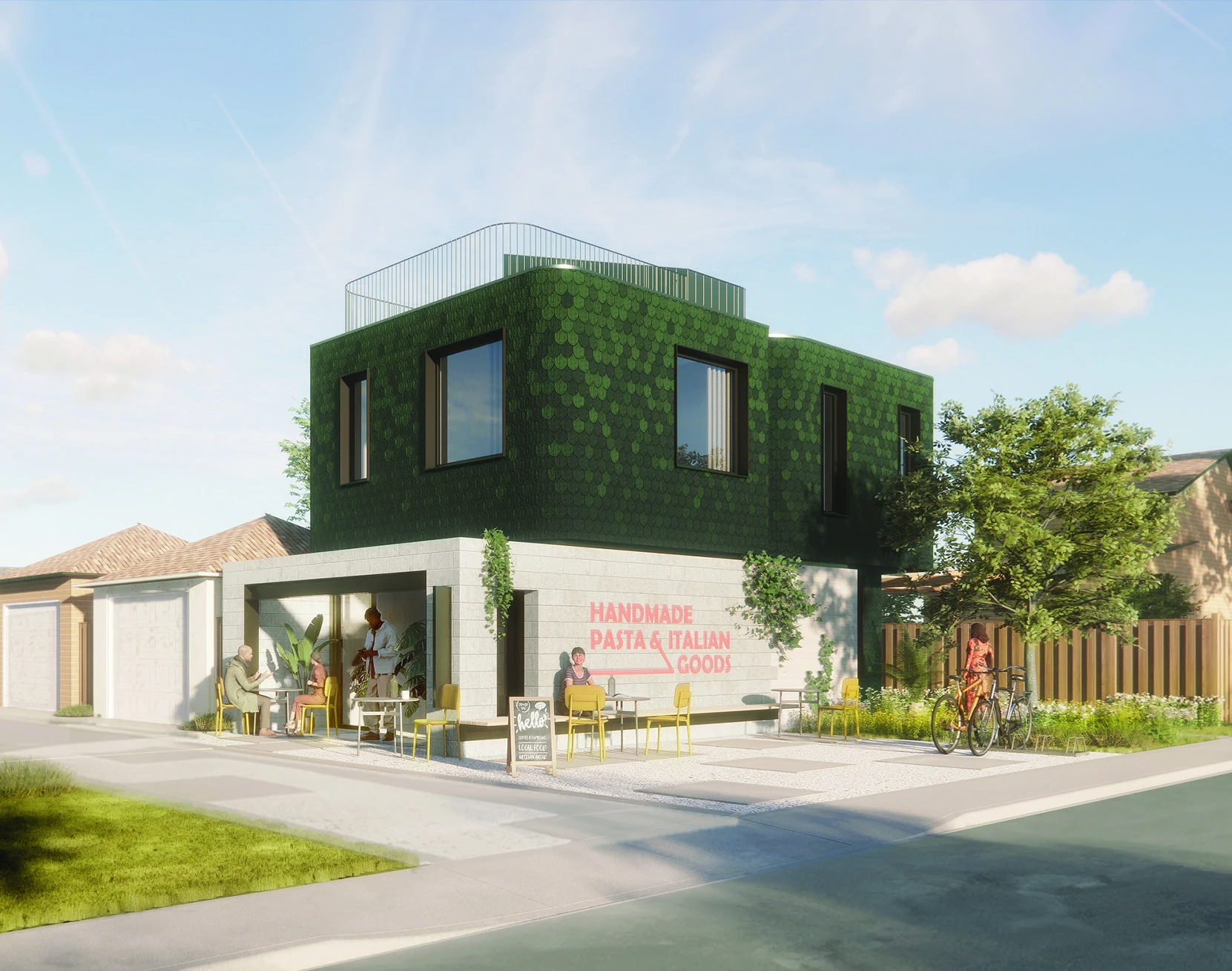
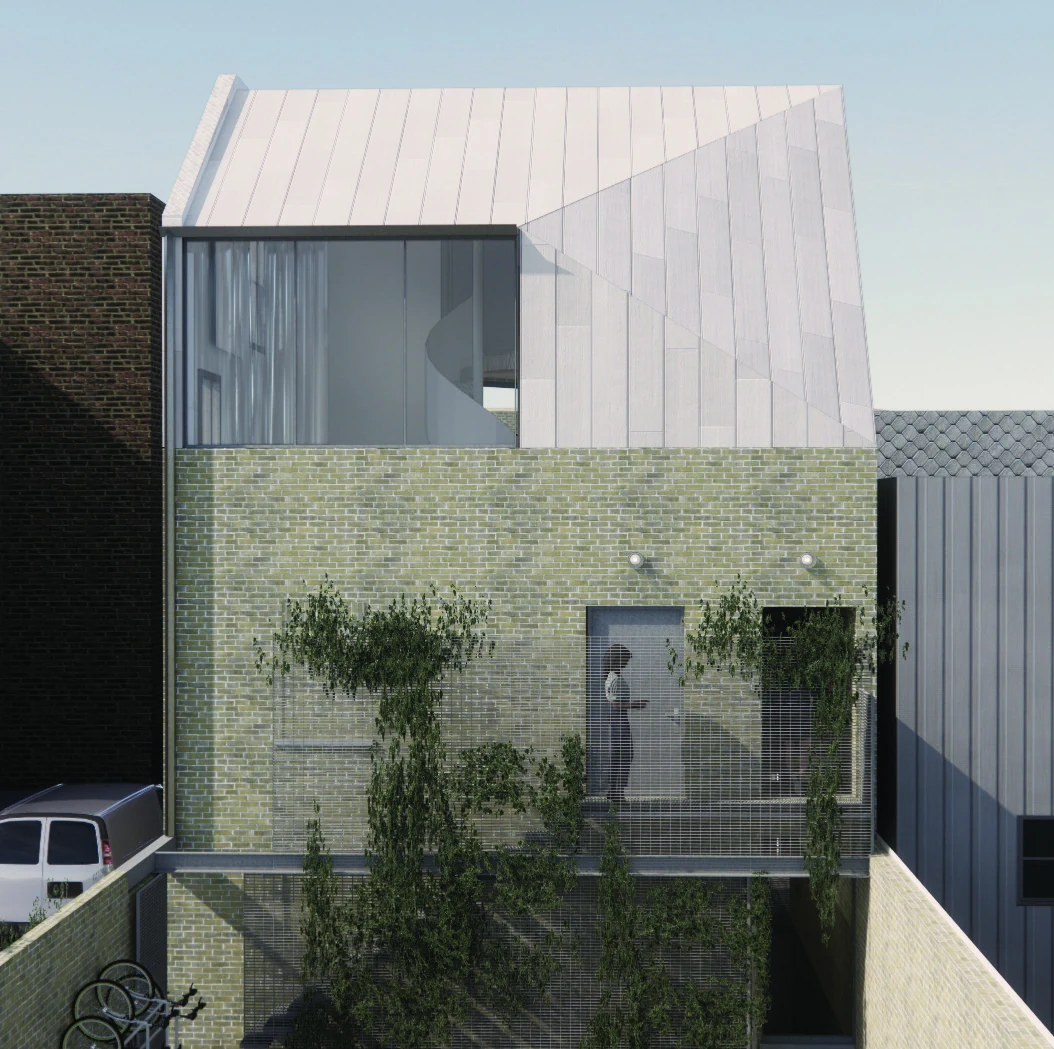
From a carpentry shop to a shared tool library, the concepts test how use, building form and neighbourhood context could come together.
01A place to make
 02
A neighbourhood exchange
 05
More things in common
These are exploratory design concepts, rather than approved development proposals. Each tests a different set of conditions.
The research, in full
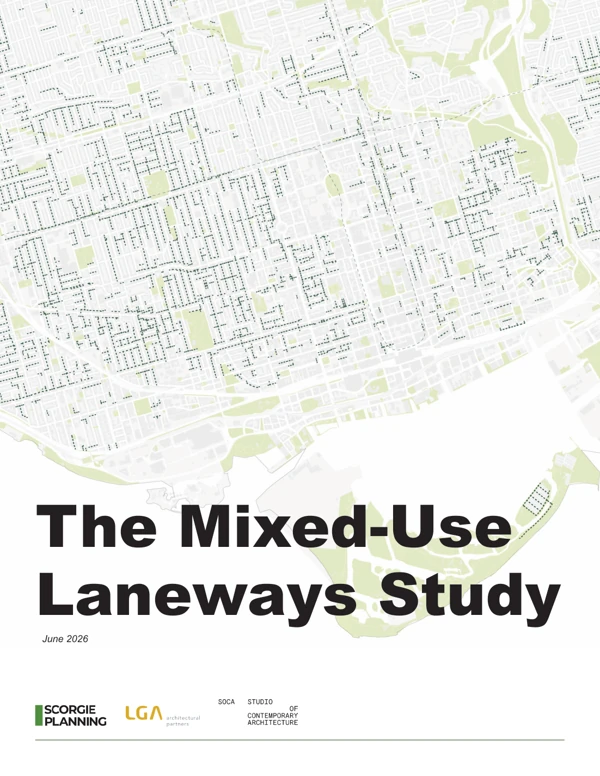
Read the main report and the technical work that informed it. Transportation, servicing, noise and market feasibility each help explain where the opportunities—and the practical limits—lie.
From research to practice
The study recommends a measured approach: understand local conditions, test suitable locations and use the results to inform future decisions.
A visible corner, an employment edge and a quiet mid-block lane offer different opportunities. The same approach will not suit every location.
Access, deliveries, waste, noise and maintenance need to be resolved alongside new uses. Good design starts with those practical questions.
Targeted pilots, community involvement and monitoring could help identify what works before considering a wider framework.
Updates & context
Study team
Explore the research, six development scenarios and recommendations prepared by a multidisciplinary team led by Scorgie Planning. The main report and supporting technical studies are available to read and download.
Read the researchStreets of Toronto
Coverage of Honest Ed’s Alley explores an incubator model for compact retail premises. It offers a local example of small-format laneway commerce within a different development context from residential laneways.
Read at sourceCity of Toronto
The City’s project page explains adopted changes for major streets, home occupations and select neighbourhood interiors. The reforms provide context for the study’s recommendations and further laneway-specific monitoring.
Read at source